
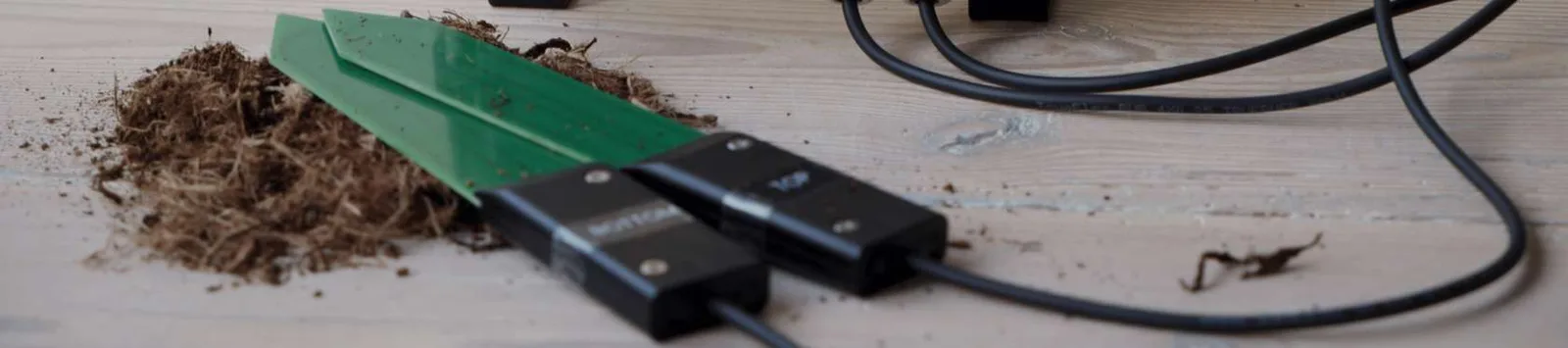
The SoilSense sensor
Scientifically-validated sensors
An irrigation support system is only as good as the data it depends on. Accurate, reliable sensors are a must.
Bad data is worse than no data
That's why we set the industry standard with the best, scientifically-validated sensor technology
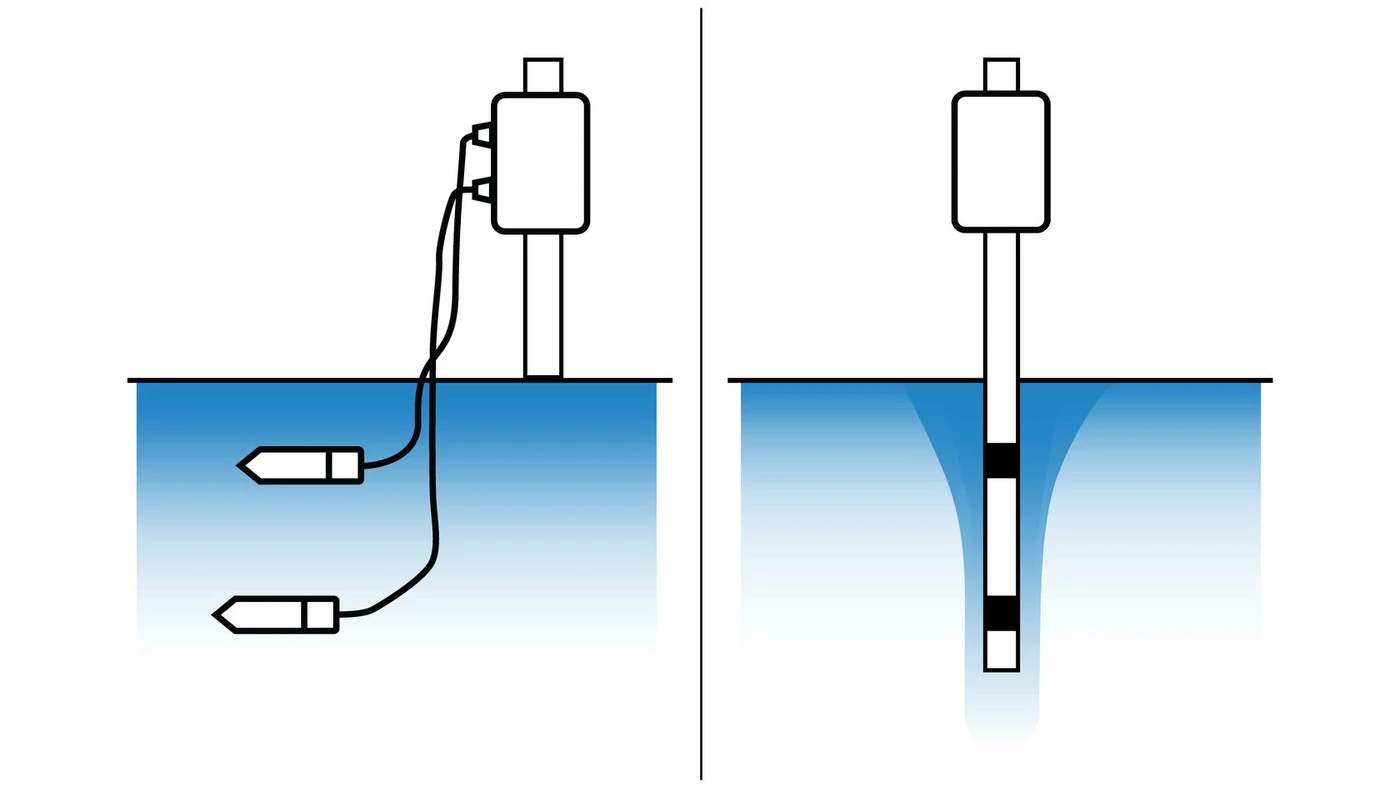
Buried sensors
We use buried soil sensors because they provide the most realistic measurement of actual soil conditions. Drill-and-drop probes might be easier to install, but if you can not trust the measurement, what good are they?
TDT Technology
TDT technology is along with TDR the only sensor technology that provides trustworthy measurements for irrigation scheduling. Most other solutions rely on capacitive sensors that have proven unfit for this purpose.
Approved by science
We have dug into the research, so you don't have to. We only claim what the research supports. If you are considering an alternative solution, we will gladly help you compare it to ours based on scientific literature
Measure the right thing
Our buried sensors provide the most correct measurement of the soil because they do not disturb water flow after installation.
Sensors of the probe design provoke what is called preferential flow where water from rain and irrigation is prone to travel along the surface of the stick, leading to misleadingly high measurements.
Measure EC with TDR sensors
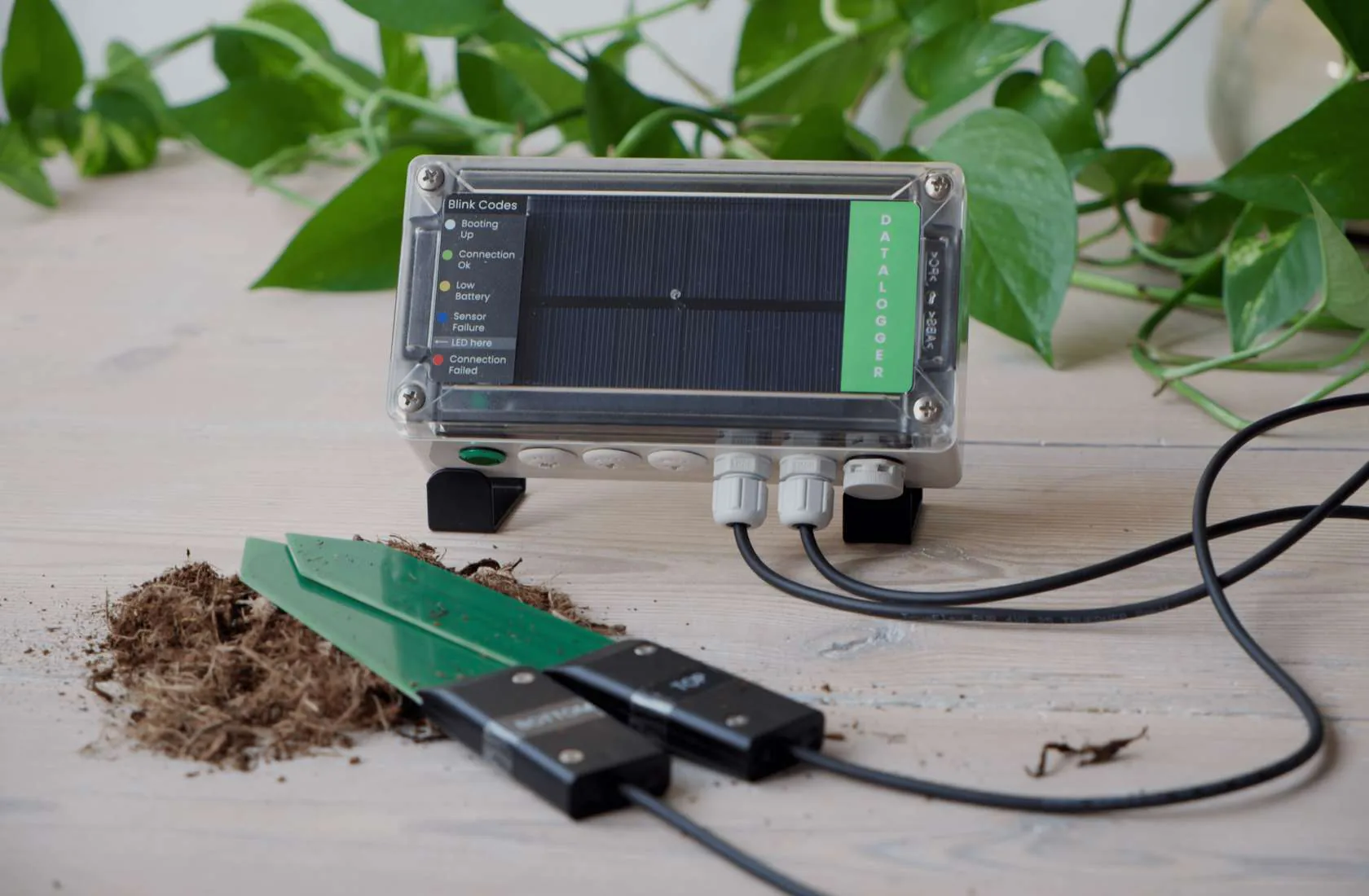
Our data logger can also be fitted with TDR sensors which can measure EC (Electrical Conductivity) on top of our standard measurements of soil moisture and temperature.
By measuring EC you can monitor:
- salinity
- nutrient availability
- irrigation needs
- soil health
- effects of fertilization
Trust science, not marketing
Our soil sensor delivers unprecedented accuracy across soil types at an affordable cost.
We take great pride in having scientific backing for our claims, and we are happy to provide you with the material.
Accuracy is not only about the variabilities in a laboratory setting. It is more so about how reliable the measurements are across different settings and environmental factors such as soil types, variations in EC, and soil compaction.
Why we use TDT sensors
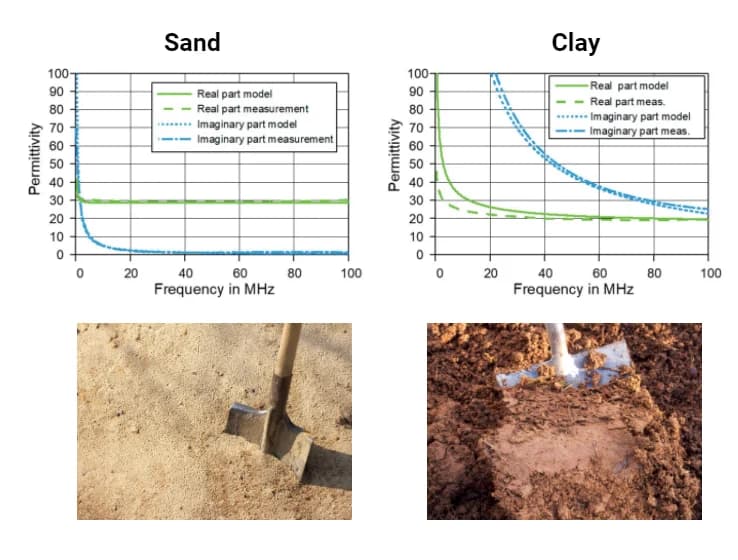
One of the reasons is measurement frequency. Soil moisture sensors estimate water indirectly from the permittivity of the soil.
The problem is that at the low operating frequency of capacitive sensors, the permittivity is not linear in all soil types. Consequently, you will experience faulty moisture variations — not because of water changes, but because of soil variations.
Our sensors perform accurately across any soil type since they operate at a high frequency of 150-300 MHz.
How yield is affected
TDT-sensors
With the precise TDT sensors we use, an increase in yield of around 15 % can be achieved compared with other sensors on the market.
Capacitive sensors
A capacitive sensor of good quality with a practical accuracy of +/- 6 %, can lead to your crop being in severe water stress for 3-7 days before the sensor detects it. If you irrigated perfectly, a capacitive sensor can only provide you with ~ 80% of the possible yield. A TDT sensor with a high accuracy of +/- 2 % can provide 95% of the optimal yield.
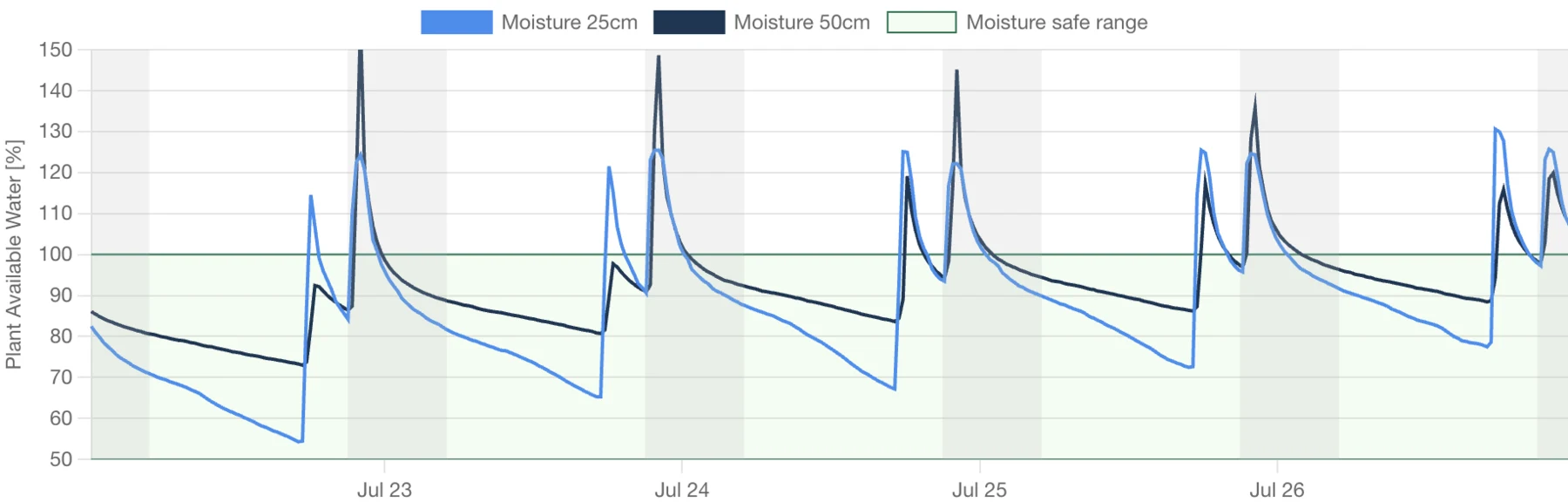
Know when and how much to water
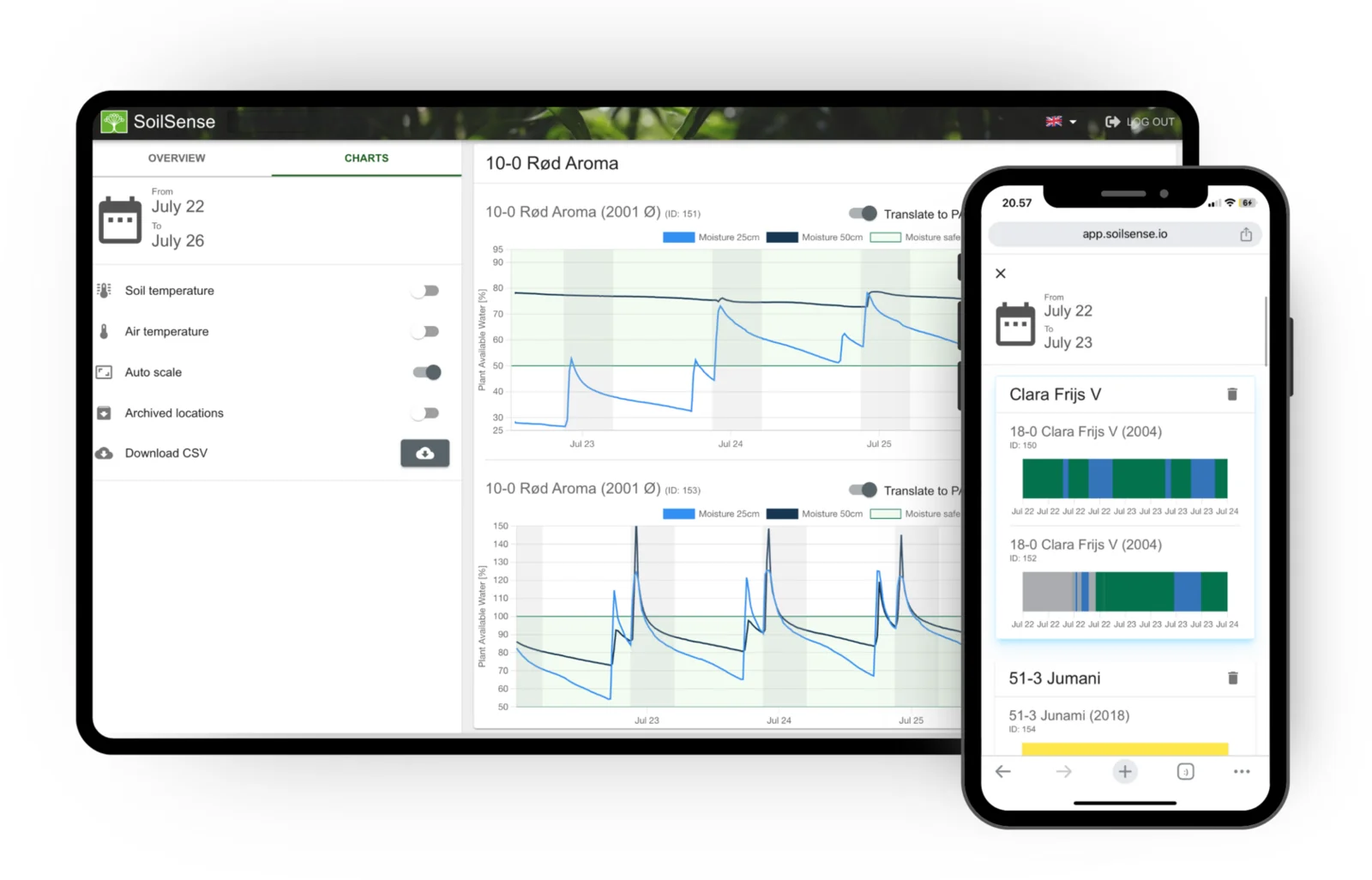
Real-time volumetric water content shows you when and how much water to apply. You'll see the moment your plants begin to experience stress, and when you're applying more water than the soil can hold.
Some farms in drier regions apply up to twice the water their soil and crops actually need. With soil moisture data you can see exactly when moisture exceeds the soil's holding capacity and adjust irrigation accordingly — saving water without risking yield.
Wireless, built for real farms
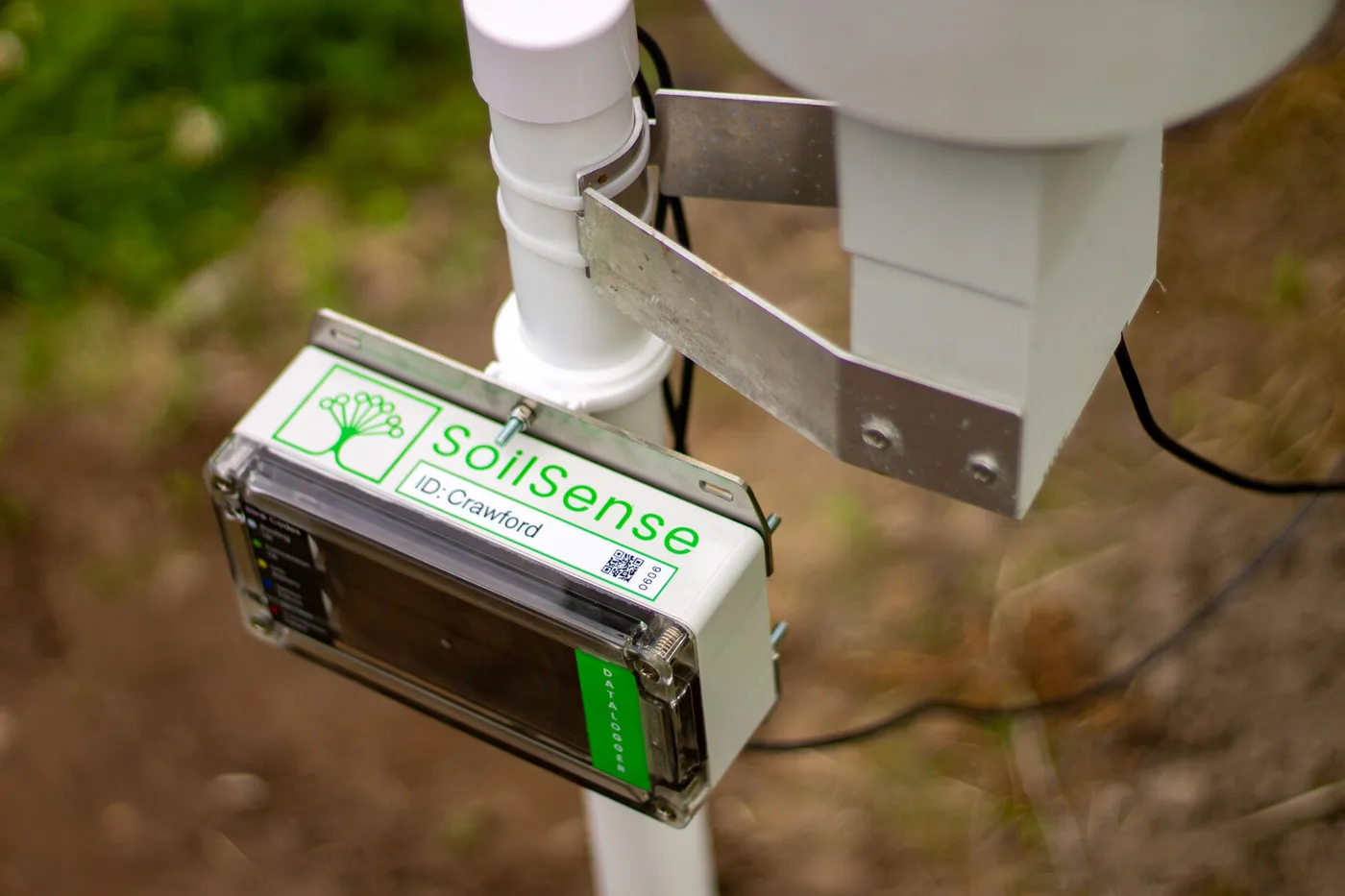
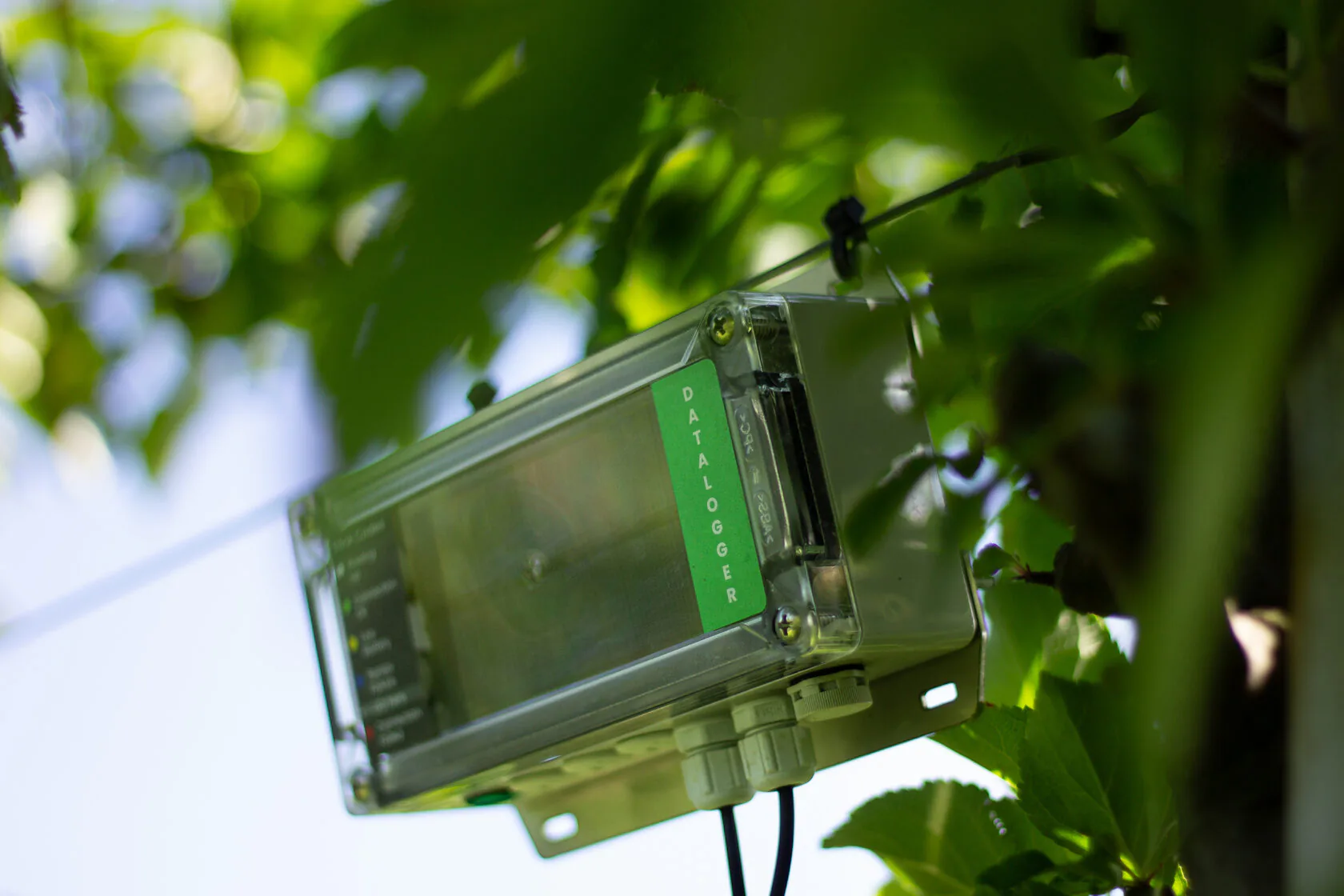
Forget kilometers of cables and cumbersome data analysis. SoilSense sensors are wireless and send their readings in real time, telling you when and how much to irrigate without any effort on your side.
The system works where farming actually happens: it sends data through the dense canopy of an orchard and reaches the mobile network even in remote fields — so your readings appear automatically, without you ever touching a device.
Why SoilSense sensors
The sensor decides whether the data you act on is signal or noise. We picked the best.
Best-in-market accuracy
Volumetric water content accuracy of ±1% with 0.1% resolution — accurate enough to drive real irrigation decisions.
Automatic calibration
TDT (Time Domain Transmissometry) sensors that automatically calibrate to your specific soil type — no manual setup per field.
Built to last
Designed to live in the soil for up to 10 years. Waterproof, frost-resistant, and unaffected by salinity.
Technical specifications
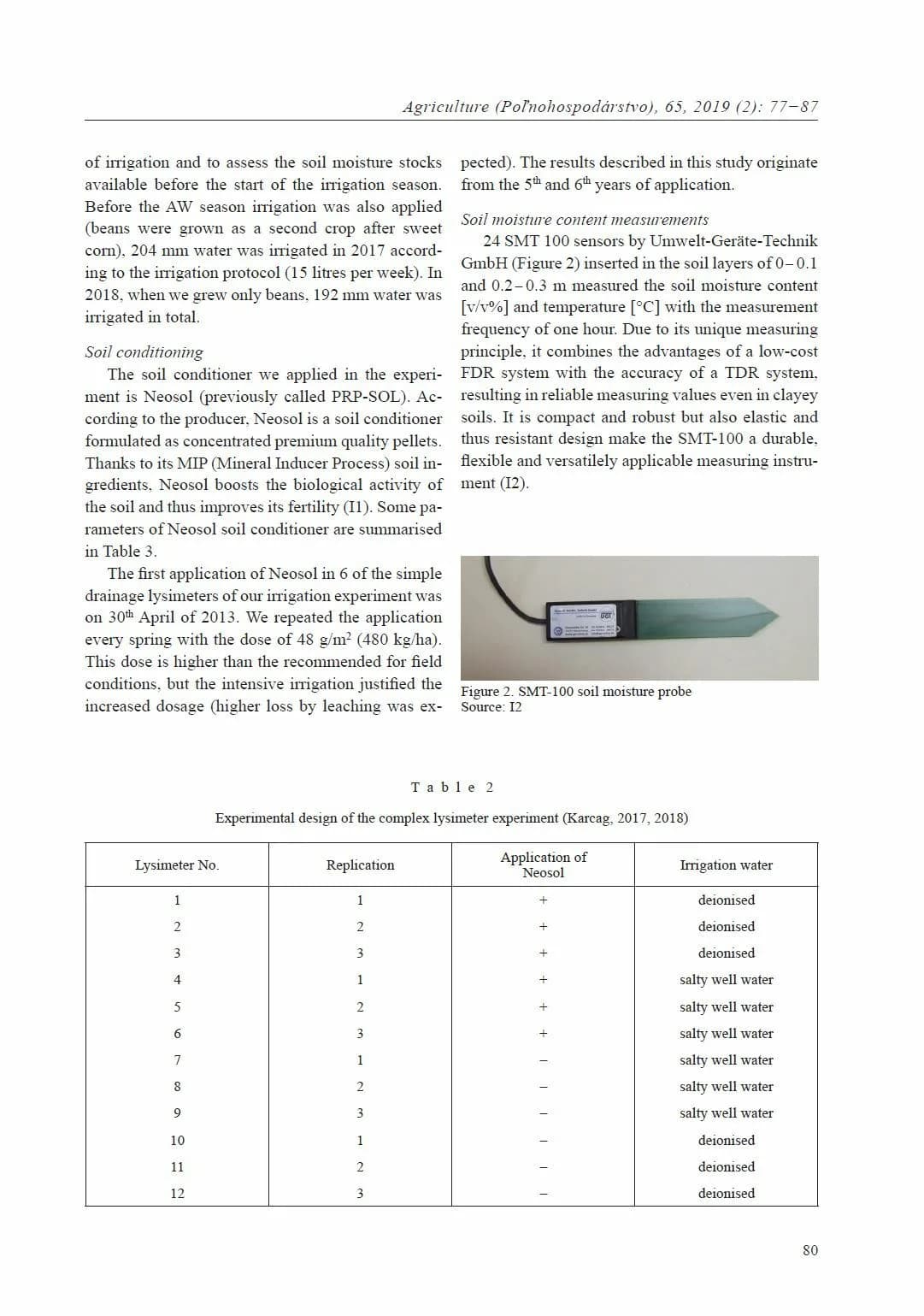
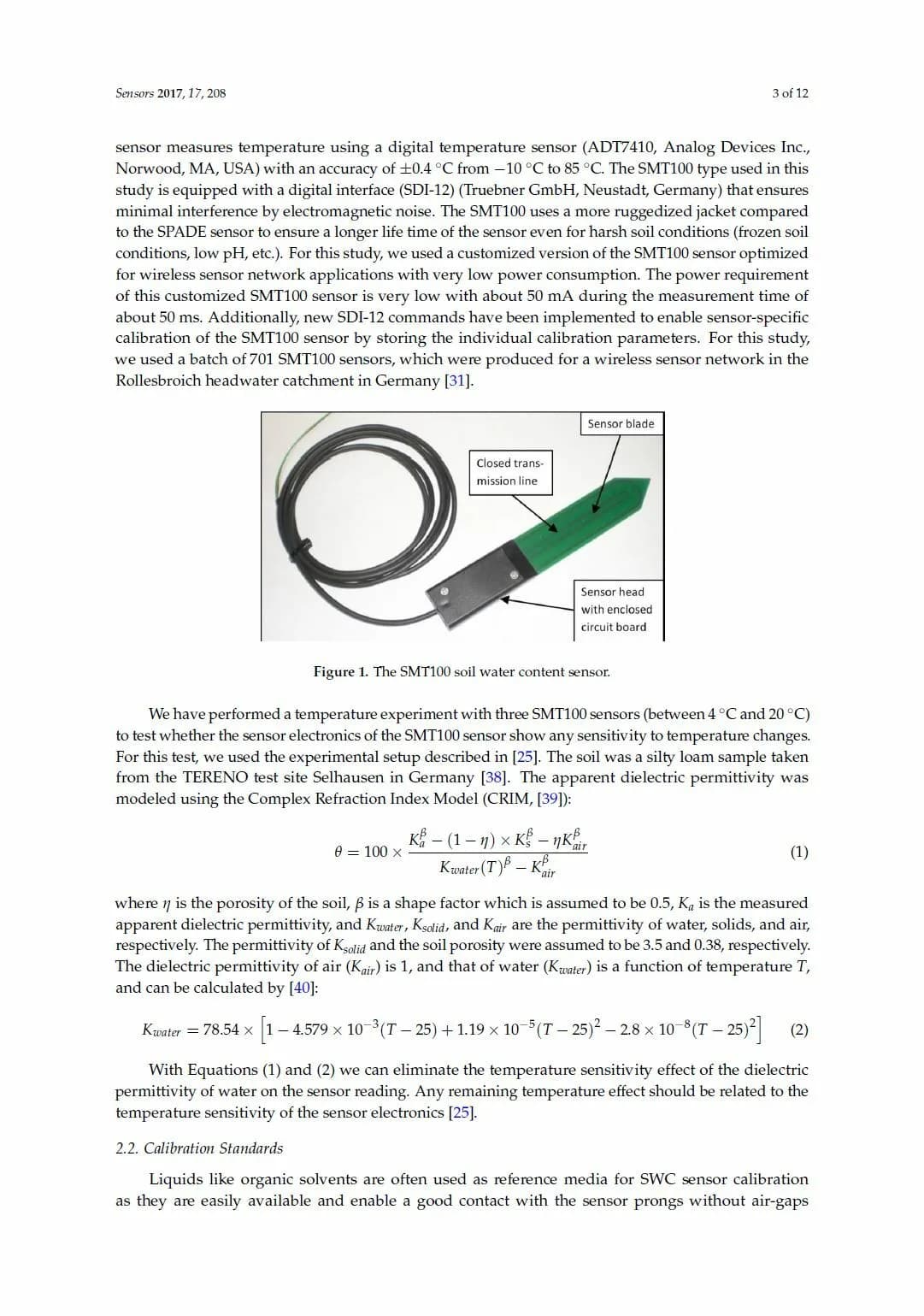
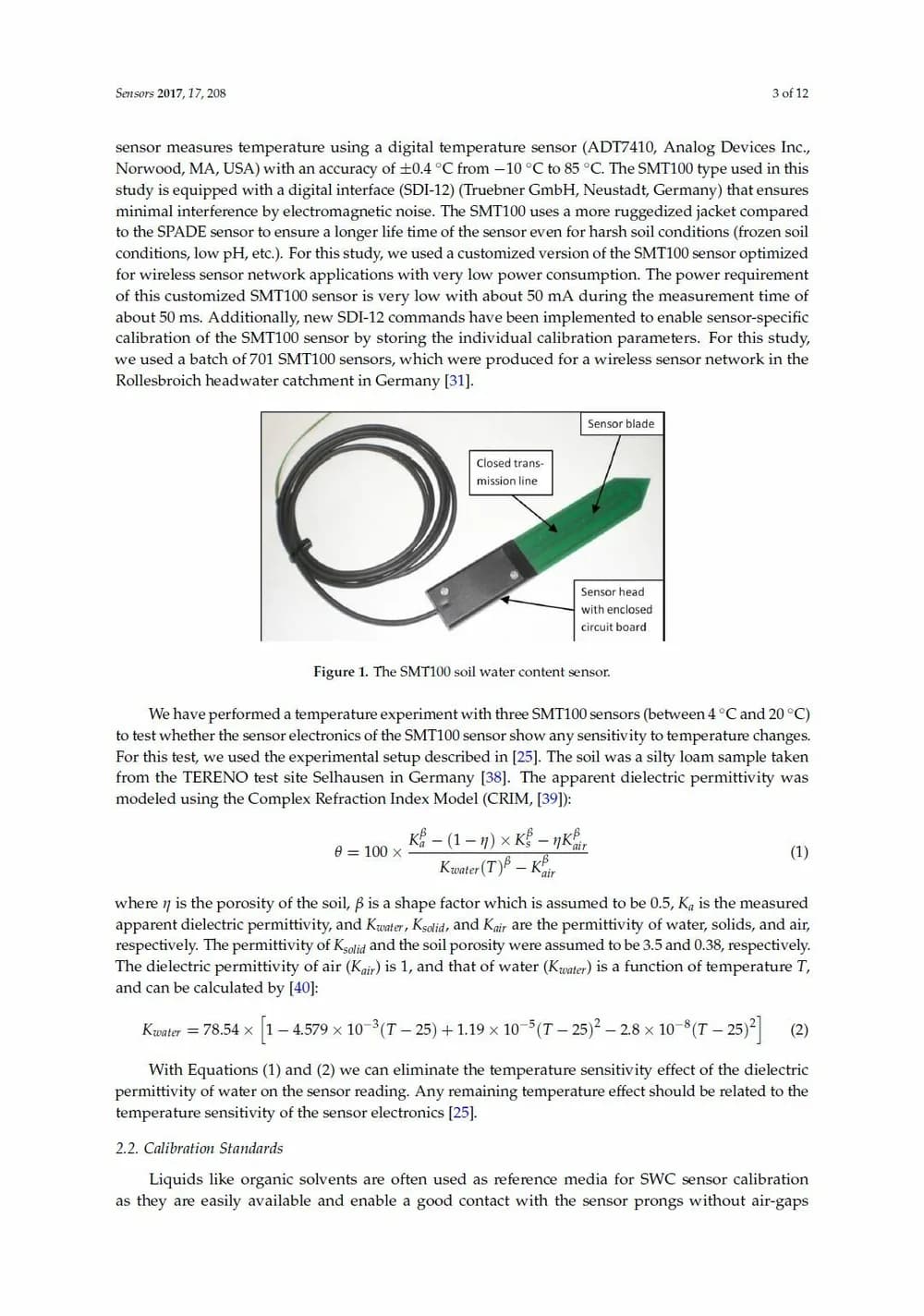
Full SMT100 spec sheet — the same sensor used by researchers and commercial growers around the world.
- Technology
- Time Domain Transmissometry (TDT)
- VWC accuracy
- ± 1 %
- VWC resolution
- 0.1 %
- VWC range
- 0–60 % (up to 100 % with limited accuracy)
- Temperature accuracy
- ± 0.2 °C
- Temperature resolution
- 0.01 °C
- Dimensions
- 18.2 × 3 × 1.2 cm
- Expected lifetime
- 5+ years in field
Choose the right sensor
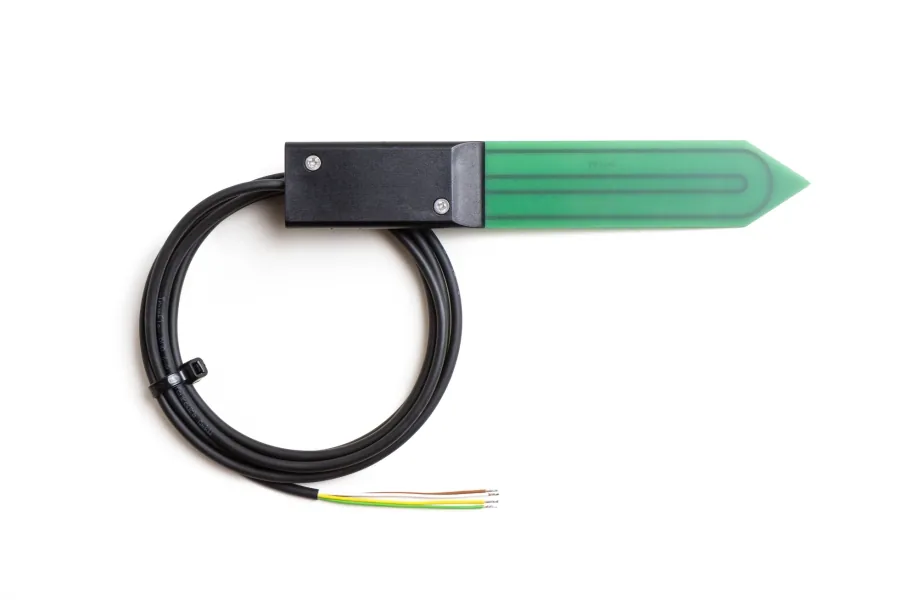
SMT100
A robust TDT probe that measures volumetric water content and soil temperature and calibrates itself to your soil — the standard sensor behind SoilSense systems worldwide.
View full specs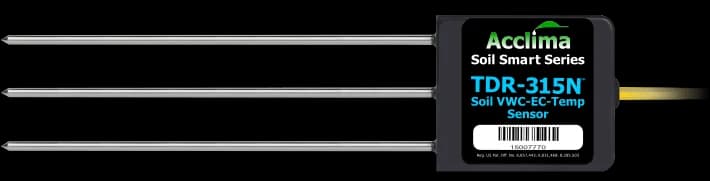
Acclima True TDT
A premium, research-grade SDI-12 probe that measures volumetric water content, bulk electrical conductivity, and soil temperature across the full 0–100% range.
View full specs
More from SoilSense


Explore the system
Let's talk
How can we help you?
We are happy to advise you on how soil sensors can be used in your production to increase your yield, reduce your water usage, and help you save time.
No commitment · We'll get back to you as soon as we can
Or stay in the loop
Occasional updates on product releases and the latest in agricultural technology.